


Nearly half of people close to retirement age have no savings
By Deborah Jeanne Post
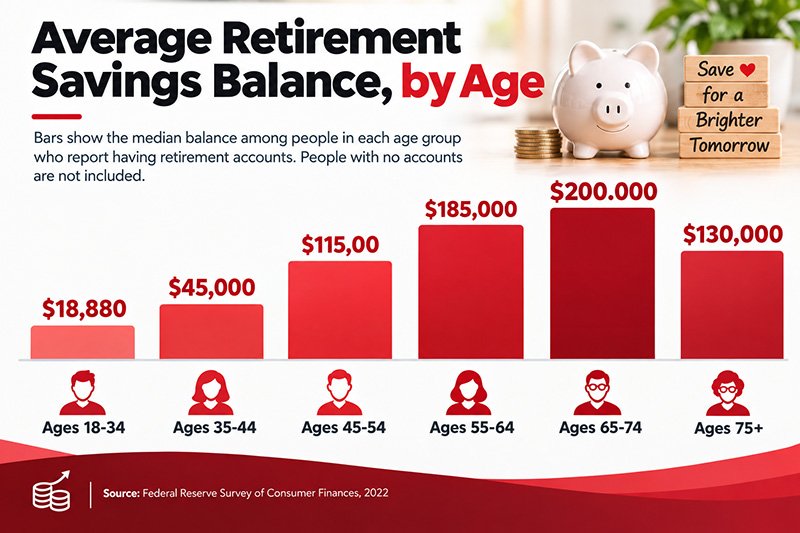

Forty percent of people nearing retirement — those aged 55–64 — have no dedicated retirement savings or accounts, according to a Federal Reserve study. Other than working until you die, what can you do if you’re one of them?
Leyla Morgillo, chartered financial planner with Madison Financial Planning Group in Syracuse, offered one simple solution: delay retirement.
“Working a few additional years would give them more time to save, allow them to wait longer to claim Social Security and keep income coming in while delaying withdrawals,” Morgillo said.
Delaying withdrawals while still earning helps keep invested funds earning while also increasing the fund through regular deposits and the dividends they earn. Pick up a few hours a week at a part-time job or through consulting in your area of specialty.
If you’re time-strapped, consider picking up a flexible side gig such as ride sharing or delivery to beef up your retirement fund while still working your regular job.
Sell any unnecessary assets that are not earning money, such as a vehicle you don’t use or household goods that you no longer want. Rolling the value of these items into your retirement fund early helps them earn interest longer and bring you more money than selling them upon retirement years from now.
You can also rent assets you keep. Even empty space can be rented such as for storage on www.neighbor.com or for dog exercise on www.sniffspot.com. These sites can help you leverage your real estate for a little low-effort profit without becoming a landlord.

“In the meantime, they should focus on eliminating any high-interest debt and reducing expenses where possible,” Morgillo said.
This strategy can help twofold in reducing current day expenses so that extra money can go toward the retirement fund and also lowering expenses during retirement.
Randy L. Zeigler, chartered financial planner, certified financial planner practitioner and private wealth adviser with Ameriprise Financial Services, LLC in Oswego, also offered advice that’s not as exciting as a “silver bullet” answer, but it rings true: regular savings.
“There’s no replacement for it,” Zeigler said. “There is also no magic in making regular savings payments, although employer plans can help by withdrawing funds from each paycheck to make the retirement savings process easier and simpler.”
This close to retirement is not the time to make risky investments, as that can result in wiping out any nest egg you have.
Like Morgillo, Zeigler promotes paying off debt before retirement and working longer, if possible. This strategy comes down to self-discipline to delay gratification and also the person’s health and ability to work longer.
“You also need a carefully planned budget,” Zeigler said.
A period close to retirement is no time to wing it. Trim the fat from the budget and roll those funds into the retirement accounts. Instead of saving in a low-interest savings account, look into CDs that return a higher rate and talk with a qualified financial planner about savings vehicles that can help your money work harder for you.
“I have seen this work for people of limited means, with a disciplined budgeting and spending effort,” Zeigler added. “This kind of effort requires a denial of the American short-term advertising thinking about what we ‘deserve’ or ‘need’ materially to be satisfied. Solid savings and investments never happen by accident; it always takes effort.”


