

By Deborah Jeanne Sergeant
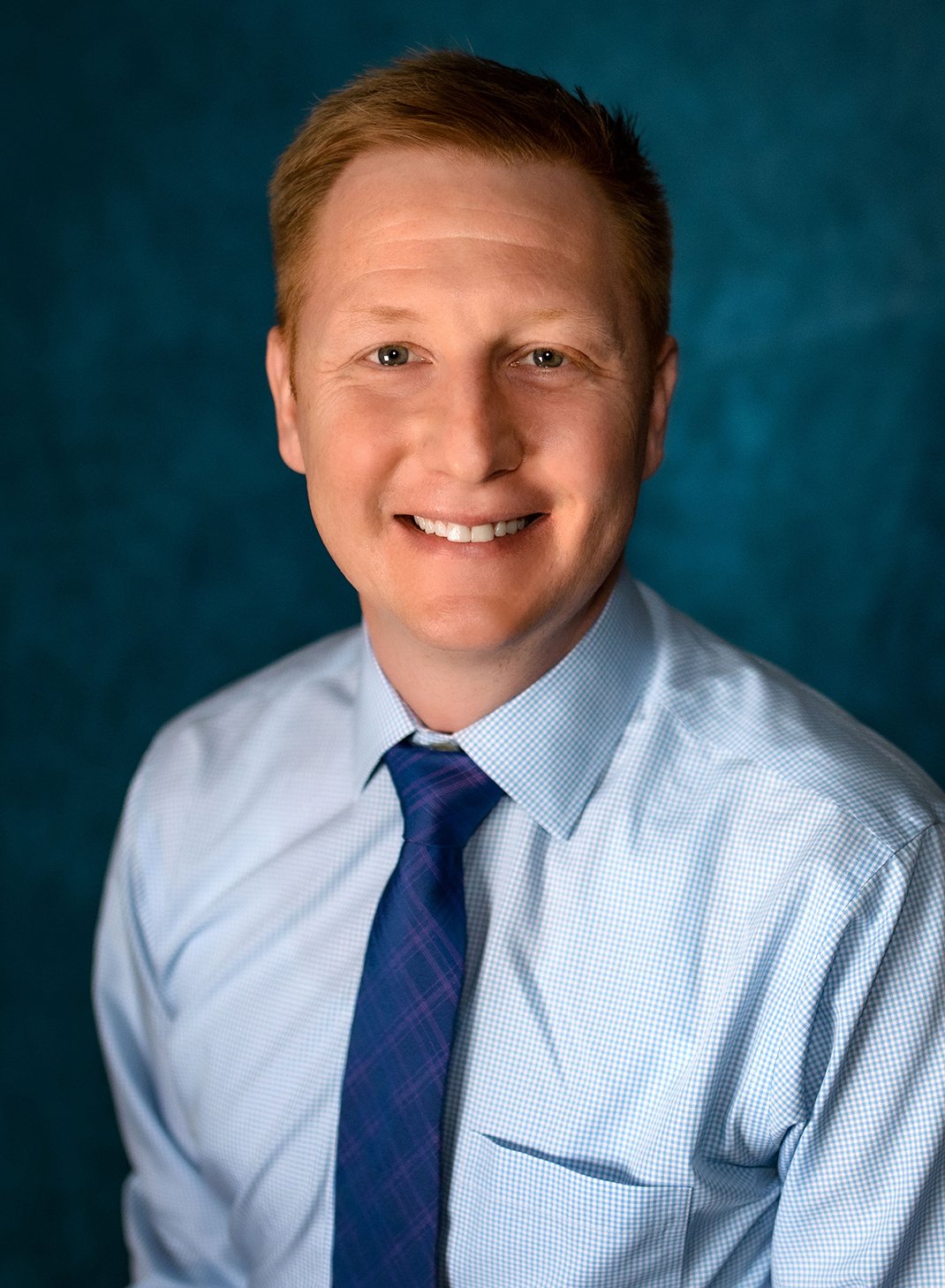
ConnextCare recently appointed physician Alex Filipski to the role of associate medical director. A family practice care provider, Filipski has worked at ConnextCare for six years with a special emphasis on promoting accessibility in rural healthcare.
Before even taking on his new role, he has mentored medical students, resident physicians and new providers at the practice, a demonstration of his skills in leadership and education.
“My career previously was faculty at St. Joseph’s for five years,” Filipski said. “Teaching is what I always enjoyed doing. Being able to do that in this role is important to me.”
Rural communities face challenges in accessibility.
Oftentimes, even primary care providers are too far away for some patients to easily schedule a visit. A simple 15-minute appointment could devour half the morning if patients need to drive two hours round-trip to see a doctor. It’s even tougher for older adults who no longer drive and need more assistance than public transportation can offer. Most of these provide only curb-to-curb service and do not offer any guidance to the door.
“A number of people in Oswego County struggle with transportation,” Filipski said. “That’s something we’re struggling with. Rides through their insurance companies has helped. Even if there’s a bus stop a quarter mile down the road, that’s often too far.”
According to the US Census Bureau, about 17.44% of the Oswego County population is older than 65. Filipski said this population group is only growing. To maintain healthy aging, many older adults with complex medical needs take longer to complete a visit. That spreads care providers thinner. In the wake of the pandemic, when 20% of all healthcare workers left the field, the availability of resources is challenging.
That’s why Filipski is working to leverage technology to help meet those needs.
“Telehealth has been huge,” he said. “Hopefully they’ll allow us to expand that.”
Currently, providers must be in the office for telehealth visits, but Filipski hopes that it will someday include other locations such as the provider’s home. Many visits don’t require hands-on care and a conversation is all that’s needed to follow up on how a medication or therapy is working for the patient.
One impediment to telehealth is discomfort in using technology. Filipski hopes that telephone visits may help bridge this gap.
Another option Filipski is interested in for growing access to care is expanding home health.
“A lot of homecare agencies are doing regular visits at home and calling our office with vitals and wound checks and glucose checks,” he said. “We are utilizing that resource. Some insurance companies are trying to facilitate similar programs. They send out nurse practitioners to the house of someone who is high-need. They can make sure they have medications and make sure if there are barriers, they contact the primary care provider. Or if they can’t get to the primary care provider, they send in that refill.”
Filipski has also been working to expand access to substance use disorder services to answer the rising prevalence in rural communities.
“Dr. Filipski is an exceptional clinician, mentor and leader whose influence reaches far beyond his clinical practice,” said Tricia Peter Clark, ConnextCare’s president and chief executive officer. “His dedication to patient care, strengthening SUD services and supporting the long-term sustainability of our workforce reflects our organization’s commitment to thoughtful succession planning. His promotion to associate medical director is an investment in our future and in the continued health and wellbeing of the communities we serve.”
In his new role, Filipski will still continue providing primary care to patients as well as cultivating the careers of new providers.
“I am a resource to other providers and the new providers in our group as someone who they can turn to and help them get their feet wet in primary care and seeing longevity with their career,” he said. “That’s important to do, to help nurture newer people within the group to feel the amount of gratification that I do in what I do every day so they stay and want to keep doing what they’re doing.
“I want to ease burnout, which is a real thing, especially in our rural community. You may see a patient one time a year and they may have many needs.”
In addition to the initial complaint, patients may need patient education, routine lab work, vaccinations and screening.
“I feel invested in this community,” Filipski said. “I’ve seen so many people helped and appreciative of the care the providers are giving. It makes a difference and feels like you’re making a change in people’s lives for doing this.”
Headquartered in Pulaski, ConnextCare brings to CNY communities’ family and internal medicine, pediatrics, dentistry, psychiatry and social work within one medical group. The locations include Fulton, Central Square, Mexico, Phoenix and Oswego, along with six School Based Health Centers, which offer primary care, dental care and behavioral health. More than 290 work for ConnextCare.


