

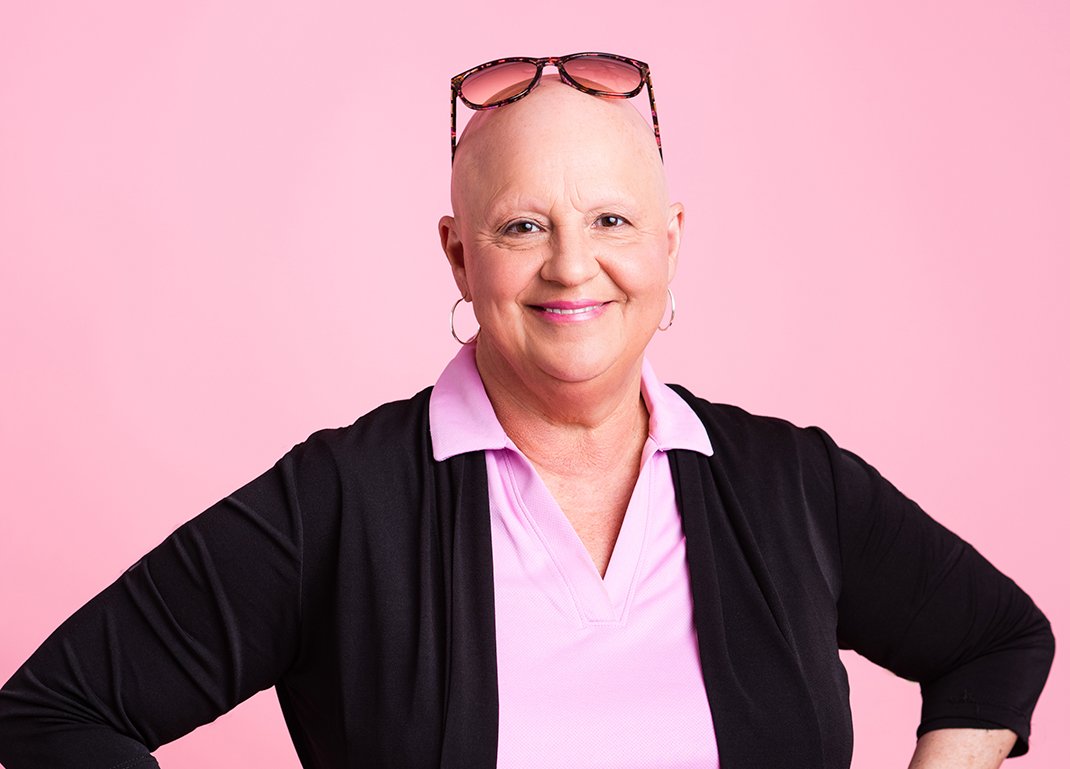
Stress can wreak havoc on women’s physical and mental health
By Deborah Jeanne Sergeant
Juggling their life’s demands, many women feel plenty of stress. According to the American Psychological Association, “women are more likely than men (28% vs. 20%) to report having a great deal of stress (8, 9 or 10 on a 10-point scale).”
The APA also reported that nearly half of the women surveyed said their stress levels have increased in the past five years compared with only 39% of men.
“Women are more likely to report physical and emotional symptoms of stress than men, such as having had a headache (41% vs. 30%), having felt as though they could cry (44% vs. 15%) or having had an upset stomach or indigestion (32% vs. 21%) in the past month,” the APA further states.
One of the reasons that women are so stressed is the roles that they take on.
“The reality for women in the US is that we are socialized to be the caregivers, managers, directors, and nurturers for all of life and the loved ones in our close orbit,” said Sara Donnelly, certified nurse midwife at St. Joseph’s Health. “This role, for the majority of women, creates a scenario in which normal life stress is amplified by the constant outreach to others which is only effectively achieved by taking time from ourselves. When women are young, it is easy to be resilient and to appear as though we are functioning through the demands of our day to day.”
Experiencing chronic stress is not just a distraction. It affects the body biologically. Women may be more vulnerable to the effects of unchecked stress than men and that stress can contribute to increased risks for heart disease, weight gain, infertility, immune system dysfunction and accelerated biological aging.
The reason behind why it happens is that chronic stress keeps the body in the state of “fight or flight” by releasing too much cortisol, a hormone that helps the body respond to temporary stressors.
“The most overt issues manifest in a toll on women’s mental health including increasing anxiety and depression,” Donnelly said. “These issues are worsened by lack of sleep and the persistent burden of the mental emotional load women carry on top of the physical demands of work, family, home maintenance and what seems to be non stop day-to-day tasks.
“Other effects of the long-term stress are things like weight gain, high cholesterol, heart disease- all of which are major health conditions that require lifestyle changes and health maintenance that many women already struggle to fit into their lives. It is not an exaggeration to say that greater than 85% of my patients express concerns for their health but feel there is little room in life, within these cultural norms, to prioritize themselves. The reality is, if women are not healthy, both mentally and physically, families are not healthy.”
Fortunately, mitigating the effects of stress can help reduce risk of these poor health outcomes and improve quality of life.
Tracy Higginbotham, mother, serial entrepreneur, founder of Women TIES in Syracuse and author of “Under the Rose-Colored Hat,” understands the pressure facing women every day. She believes that women’s response to stress can help mitigate it. In addition to a positive attitude, “you can start your day with doing three things you love to do most and make that a regular habit.”
For Higginbotham, that means starting every morning with coffee, studying Italian and completing a crossword puzzle. She also engages in physical exercise regularly. Higginbotham encourages women to follow suit with regularly engaging in activities they enjoy.
“Know what makes you happy and fitting it into your day will relieve other kinds of stress,” Higginbotham said. “Especially in the corporate world, people get breaks. As an entrepreneur, my biking before work is my break. That can reduce your stress. If you need to get rid of stress at the end of the day, that may be a better time. It’s mandatory that you do two to three things that make you feel good. You have to do them.”
It’s also vital to eat a balanced diet, focusing on whole-foods, as opposed to processed foods, which increase inflammation and stress. The Mediterranean diet is a positive example, as it promotes consumption of produce, legumes and beans, whole grains and healthful fats like olive oil and has been associated with reducing incidences of heart disease and lowering bodily inflammation.
Staying connected also aids in reducing the negative effects of stress. Isolation is not good for health. Joining community groups, making friends through apps like Meetup and reaching out to people at organizations such as a class, church or club can combat isolation and create a sense of community.
 Tracy Higginbotham is mother, serial entrepreneur, founder of Women TIES in Syracuse and author of “Under the Rose- Colored Hat.”


