

by Wagner Dotto
The new Lake Ontario National Marine Sanctuary designation, officially finalized in June 2024, gives the region plenty of reason to be excited.
It has the potential to bring research funding to the area, promote educational programs and draw tourists interested in exploring the waters of Lake Ontario and its treasures.
The sanctuary is, in effect, a national park under water. It is the 16th national marine sanctuary in the country and includes a vast area, stretching from the mouth of the St. Lawrence River to west of Rochester. Oswego sits near the center of that area.
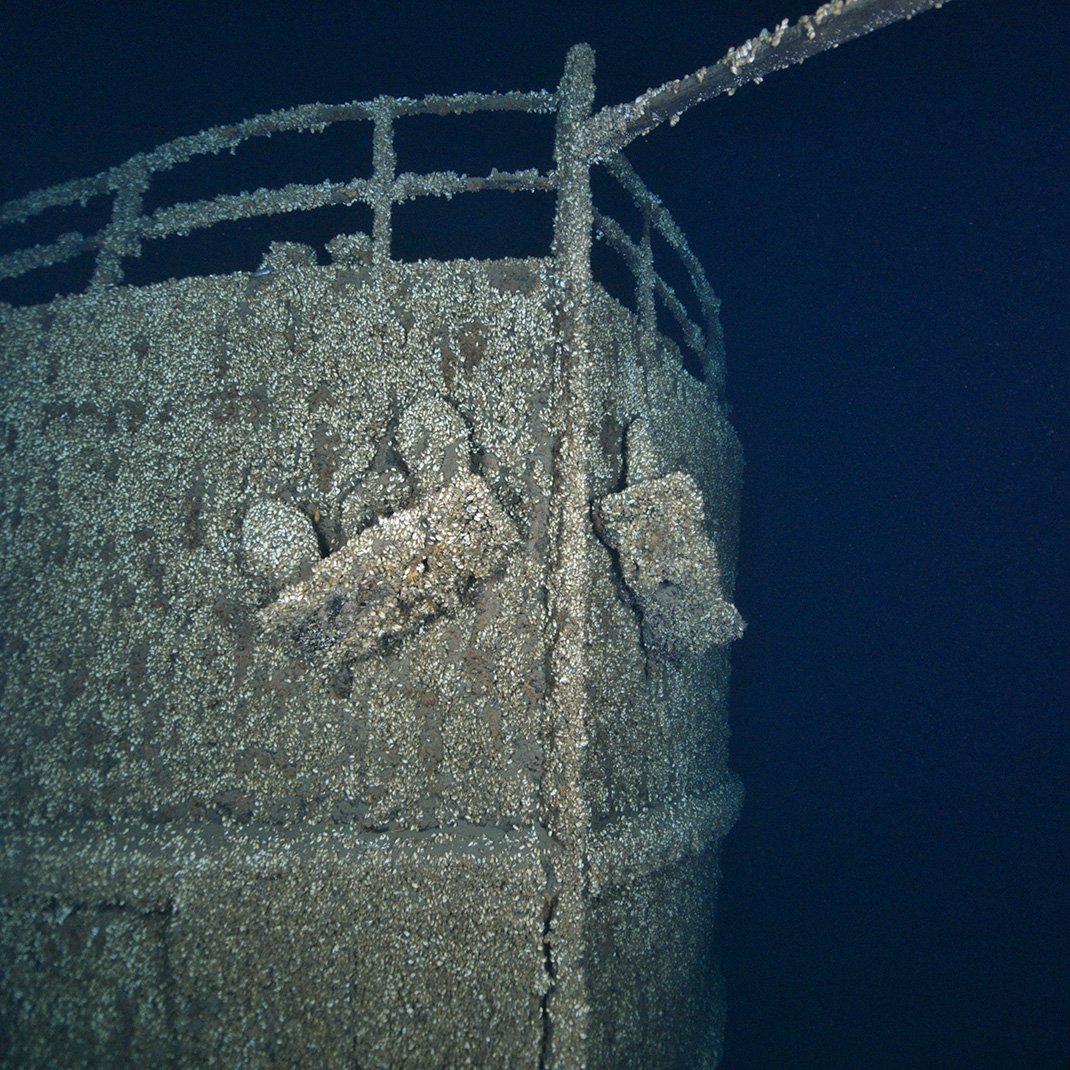
Lake Ontario has at least 73 identified shipwrecks resting on its bottom, and officials believe there are more than 100 in all. Of the known shipwrecks, the St. Peter is on the National Register of Historic Places, and the David W. Mills is New York state’s only Submerged Cultural Preserve and Dive Site in its Great Lakes.
Officials believe there are at least three aircraft at the bottom of the lake as well.
Associate Editor Stefan Yablonski, who wrote the cover story for this issue, checked with officials at Thunder Bay National Marine Sanctuary on Lake Huron to see what kind of impact they have seen since receiving their designation. Thunder Bay became sanctuary No. 13 in 2000.
Stephanie Gandulla, resource protection coordinator, told Yablonski that Thunder Bay National Marine Sanctuary generates more than $100 million annually for the regional economy and supports more than 1,500 jobs. Its visitor center in Alpena, Michigan, is a major tourism destination for the region, hosting approximately 60,000 visitors annually, Gandulla said.
“The sanctuary is multi-faceted in that we are part of the education community, part of the recreation community and part of the science community,” Gandulla added. “More and more people come to the sanctuary waters to recreate, whether it is to snorkel to a shipwrecks or scuba dive to a shipwreck. There is even a glass-bottom boat that came here in 2011 to take people out. That boat takes nearly 10,000 people a year out on the water. So that is pretty cool.”
Oswego County Administrator Philip Church, an avid diver and one of the major forces behind the Lake Ontario designation, said the local impact could be the same as Thunder Bay’s — or even greater.
We hope he is right.
Beyond economic development and increased tourism, the Lake Ontario National Marine Sanctuary matters because it protects this area and ensures that future generations can explore Lake Ontario not just as water on a map, but as a living record of human history and a resource worth protecting.
 Wagner Dotto is the editor and publisher of Oswego County Business Magazine.


