


The Federal Aviation Administration flight inspection team from Atlantic City, New Jersey, recently certified the
Gov. Kathy Hochul recently announced that the County of Oswego Industrial Development Agency (IDA) was
Oswego County Federal Credit Union (OCFCU), a credit union serving over 13,000 members in Oswego

By Stefan Yablonski At first glance, Vincent “Vinny” Lobdell Jr. is the epitome of success. But, really, what is success? A lot of money, a big house, fancy cars? For

In-home companion care or healthcare roles are tough to staff By Deborah Jeanne Sergeant If
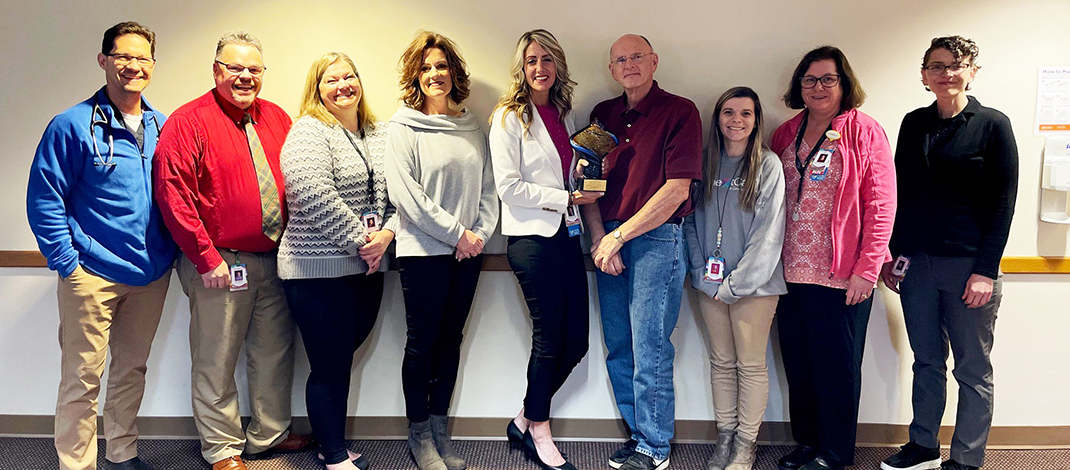
The ConnextCare board of directors presented the ConnextCare’s President and CEO Tricia Peter-Clark with a

By Mary Beth Roach Between 12% and 13% of businesses in Central New York are
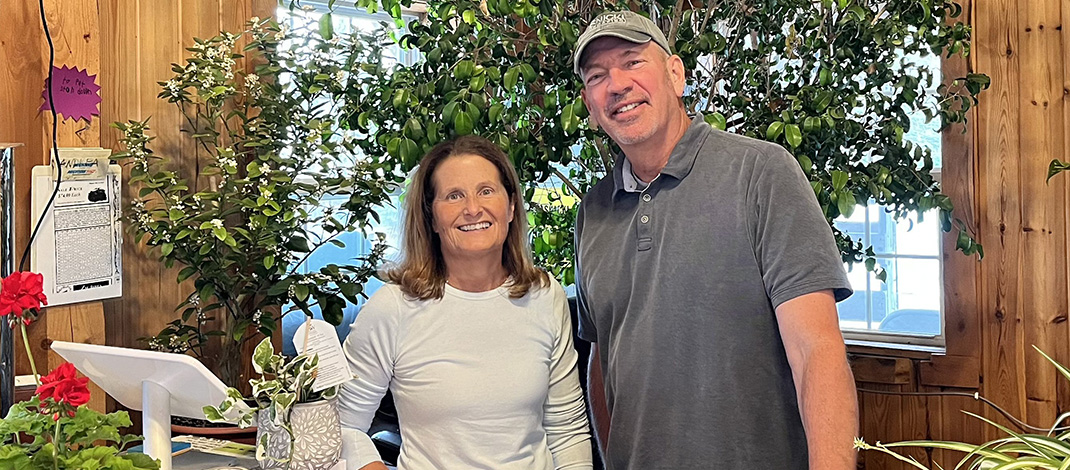
After four decades, Landscaping & Nursery continues to grow By Steve Yablonski More than 40
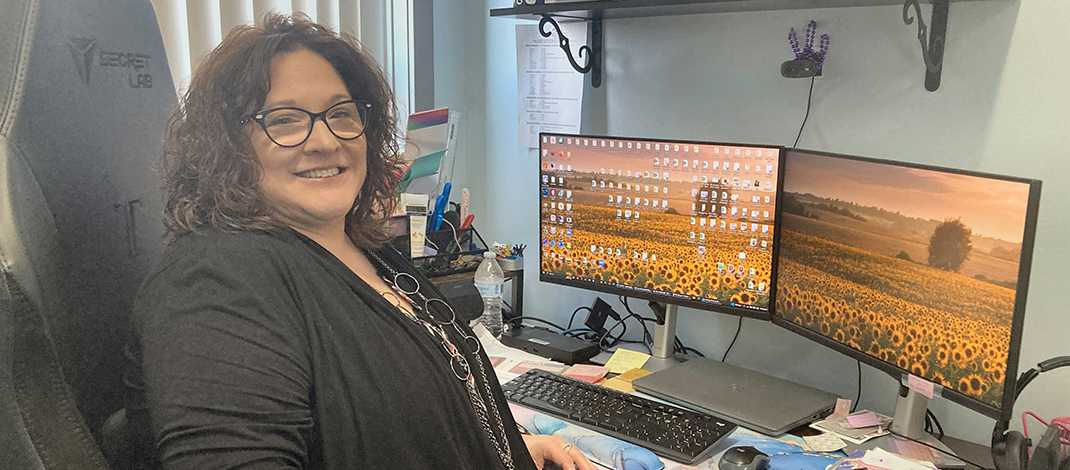
Helping those who help those in need: new director of operations at OCO has been

Business started in 2022 in Oswego incubator now operating in the black By Stefan Yablonski

By Stefan Yablonski Pathfinder Bank has recently announced it has signed paperwork to acquire the

By Margaret McCormick What would Danielle Mercuri do if she wasn’t a successful restaurant owner?
By Stefan Yablonski At first glance, Vincent “Vinny” Lobdell Jr. is the epitome of success.

By Christopher Malone Jake’s Grub & Grog, the Oneida River-adjacent establishment in Central Square, has
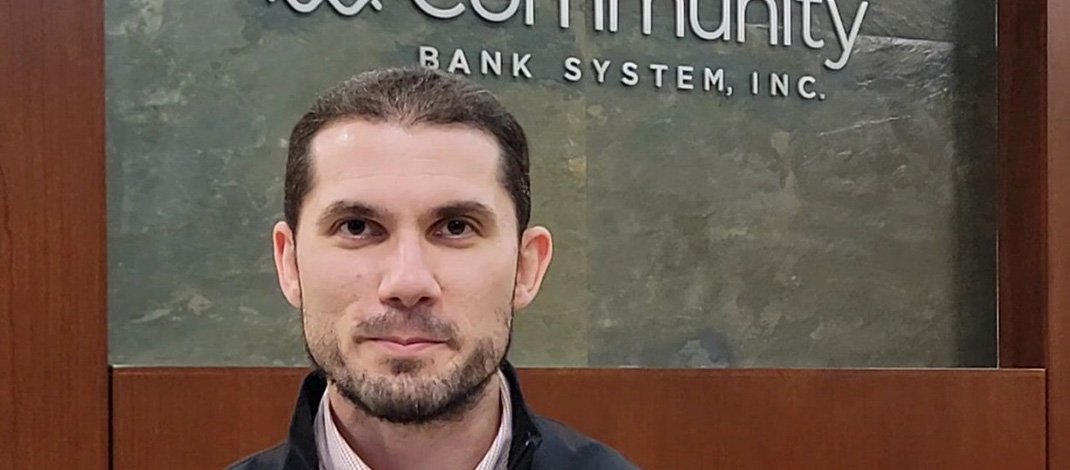
New Community Bank System’s CEO looks to build on past success, plans to expand in

Tai Shaw, Vietnam Owner of CNY Uniforms Plus, Syracuse By Mary Beth Roach “All

Sevgi Evren Familo, Turkey Owner of Tatlim Bakery, Oswego By Mary Beth Roach Éclairs
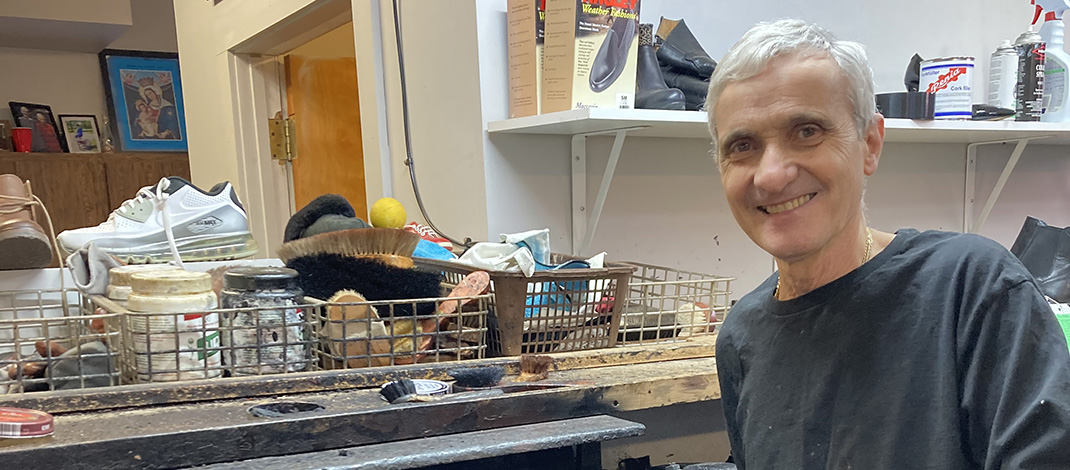
Ralph Rotella, Italy Owner of Discount Shoe Repair, Syracuse By Mary Beth Roach Everyone

Paloma Sarkar, India First vice president, enterprise risk manager at Pathfinder Bank By Mary

Jay Subedi, Bhutan Owner of TruCare Connections. Several locations in Upstate New York By

Hugo Acosta, Venezuela Owner of CNY Latino Media, Syracuse By Mary Beth Roach When

Assad Majid, Syria Owner of Sinbad Middle Eastern Restaurant, Eastwood, Syracuse By Mary Beth

As flowers and ‘For Sale’ signs appear in yards across CNY, how will the real

By Aaron Gifford In Skaneateles, a four-bedroom waterfront home is priced at $5.9 million. In
After four decades, Landscaping & Nursery continues to grow By Steve Yablonski More than 40 years ago, Andy Lasnicki planted the seeds of a business that has grown like a
By Christopher Malone Jake’s Grub & Grog, the Oneida River-adjacent establishment in Central Square, has been serving Central New Yorkers with entertainment, food and beer for more than a decade

by Tim Nekritz | nekritz@gmail.com To say one of the most distinctive musical venues in

Operation Oswego County hosts manufacturing and small business summits, state grants workshop and annual economic
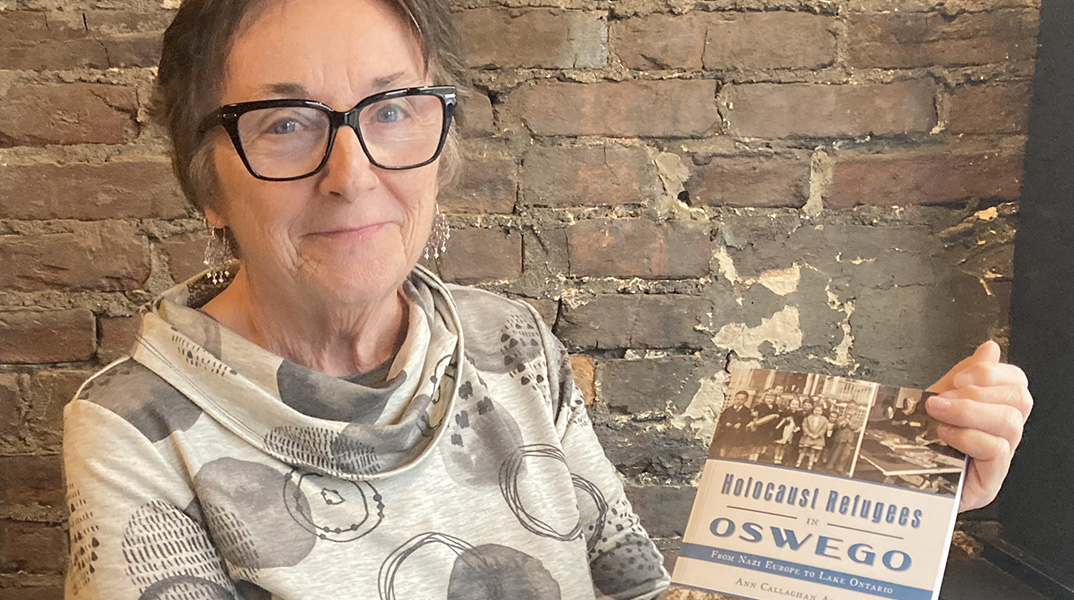
Q.: In a few words, please describe your new book, ‘Holocaust Refugees in Oswego’? During
Davis-Standard, LLC, a global leader in the design and manufacturing of extrusion and converting technology
Crouse Health has announced that Rebecca Houde has been appointed director of human resources. She
FOCUS Greater Syracuse, Inc., a nonprofit organization in Syracuse whose mission is to tap citizen
Excellus BlueCross BlueShield has appointed Andrew Dober director of labor sales. Dober began his career
Dannible & McKee, LLP, a certified public accounting and consulting firm, announced the hiring of

by Wagner Dotto We’re celebrating a big milestone: the publication of our 30th annual Summer

Navigating retirement change by Jeff Weld, Ph.D. | jeffweldllc.org I retired seven weeks ago. Despite great